Homeowner Resources
Create a Space That Adapts to Your Life
Universal design isn't just about aging in place—it's about making your home easier and safer to use, regardless of age or abilities. Whether you're planning for the future, accommodating a family member's needs, or simply want a more functional space, these five steps will help you create a home that works for everyone.
1. Think About How You Actually Live
Before you start any remodeling project, take an honest look at your daily routine:
• What tasks feel harder than they should?
• Are there areas of your home you avoid because they're difficult to navigate?
• What health considerations—current or future—should influence your design?
• How could your remodel make everyday life simpler and safer?
My favorite universal design features blend seamlessly into the space, such as layered lighting and accessible cabinetry. Adapting kitchens or bathrooms isn't just about convenience—it's about giving families comfort, confidence, and freedom at every stage of life. The best design anticipates future needs as well as today's.
2. Plan for Easy Movement
You might not need mobility aids today, but smart design now means you won't need major renovations later. Walk through your home and note these common barriers:
Doorways
• Widen doorways to at least 32-36 inches—making it easier to move furniture and accommodate wheelchairs or walkers if ever needed
Hallways
• Aim for 36-42 inches wide
• Add lighting to prevent trips and falls
Open Floor Plans
• Leave clear space (30 by 48 inches) in front of appliances and key areas
• Remove thresholds that create tripping hazards
3. Make Safety Your Priority
Stairs are one of the biggest safety hazards in any home. Ideally, your main floor should include:
• A bedroom (or space that could become one)
• A full bathroom
• Kitchen and living areas
Other Safety Upgrades:
• Non-slip flooring throughout
• Eliminate the need to go up or down stairs for daily activities
• Bright, even lighting in every room
Remodeler Tip: [Space for contractor quote about safety features]
4. Design a Kitchen That Works Smarter
Small changes to your kitchen can make cooking and cleanup dramatically easier:
• Dishwasher drawers eliminate bending and reaching.
• Simple, easy-to-use controls (push buttons instead of complicated digital panels).
• Side-by-side or drawer-style refrigerators put food at eye level.
• Wall-mounted ovens and microwaves at comfortable heights mean no more bending to the floor.
Remodeler Tip: [Space for contractor quote about kitchen adaptability]
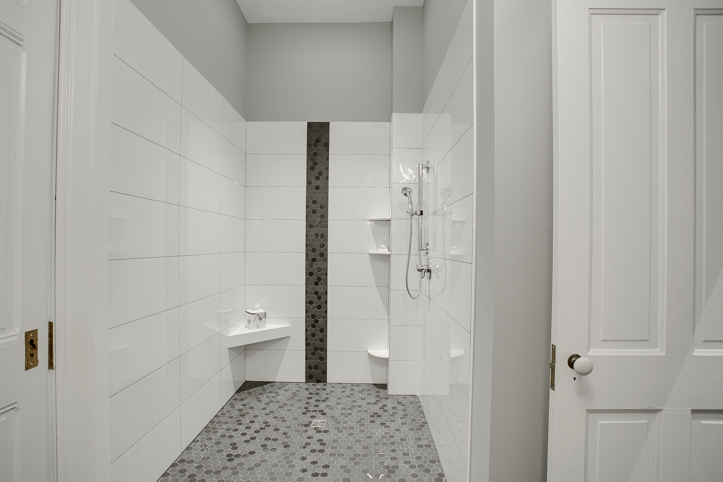
5. Create a Bathroom Everyone Can Use
Your bathroom should be comfortable and safe for every member of your household:
Essential Features:
• Grab bar blocking installed during construction (you can add the bars later when needed).
• Walk-in tubs or curbless showers eliminate the dangerous step over a tub edge.
• Lever-style faucet handles that are easy to grip and turn.
• Adjustable or handheld showerheads for flexibility.
• Comfort-height toilets (about 2 inches higher than standard).
Remodeler Tip: “If there’s one space where accessibility matters most, it’s the bathroom. An inaccessible bathroom can extend recovery time, increase the risk of falls, or even force a move. You can outsource meal prep—but not the bathroom.” - Dana King UDCP, CRD, Owner Dana King Design Build Remodeling
Ready to Get Started?
A NARI professional can help you seamlessly incorporate these universal design features into your remodeling project—often without anyone noticing. The result? A beautiful space that makes life easier for everyone.
Find a NARI Professional who specializes in universal design to bring your vision to life.