Homeowner Resources
Universal Design Remodeling: Creating Homes That Work for Everyone
Universal design creates spaces that work beautifully for people of all ages and abilities—from young families with children to multigenerational households to those planning to stay in their homes long-term.
The best part? When done well, universal design features blend seamlessly into your home's style. You won't notice the thoughtful planning. You'll just notice how much easier everything feels.
Why Universal Design Matters for Your Family
Universal design isn't a single style or look—it's a smart approach to creating flexible, functional spaces that adapt to your life. Whether you're:
- Planning ahead for your future.
- Accommodating a family member with mobility challenges.
- Making your home safer for young children.
- Simply wanting a more comfortable, user-friendly space...universal design helps your home work harder for you.
The 7 Core Principles
These principles guide how designers and remodelers create accessible, beautiful spaces:
1. Equitable Use
This technical term just means that your home should be functional and attractive for people with different abilities, without special accommodations that feel like afterthoughts.
2. Flexibility In Use
Spaces that are designed to adapt to different needs and preferences. A kitchen island that works whether you're sitting or standing, for example, or a shower that's safe for all ages.
3. Simple and Intuitive
Features are easy to understand and use, regardless of experience or familiarity. Controls are clear, layouts make sense, and nothing requires a manual.
4. Perceptible Information.
Important features should easily communicate themselves. With information you can see and understand clearly through visual cues, tactile feedback, or sound, not relying on just one sense.
5. Tolerance for Error
Design choices should be forgiving of mistakes, minimize hazards, and minimize the consequences of accidents. Non-slip surfaces, rounded corners, and fail-safe mechanisms keep everyone safer.
6. Low Physical Effort
Fixtures should be easy to use with minimal effort. You shouldn't have to strain, stretch, or struggle with everyday tasks. Comfortable operation with minimal fatigue.
7. Size and Space for Approach and Use
In other words, space that makes sense in multiple contexts. Adequate room to approach, reach, and use features comfortably. Consider typical common tasks, like carrying groceries, using mobility aids, or just navigating your home.
A successful remodel begins with understanding how people truly live in their homes. We start with a lifestyle assessment to plan for both current needs and future mobility. That may mean wider doorways, zero-threshold showers, or open floor plans, which help ease movement and connection.
How Universal Design Fits Into Your Remodel
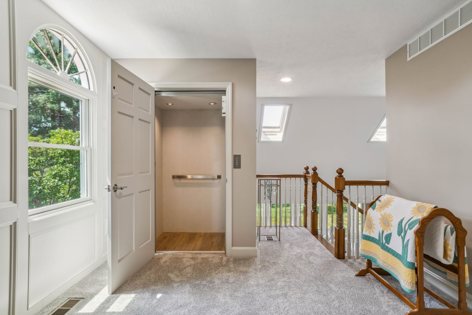
Universal design integrates naturally into any remodeling project. Just as you choose paint colors or cabinet styles, you're customizing your space to fit your life. The difference? These choices keep working for you as your needs change over time.
A NARI Universal Design Certified Professional (UDCP) has specialized training to:
- Understand your unique needs and goals.
- Recommend solutions that match your lifestyle.
- Incorporate accessibility features that enhance—not compromise—your home's design.
- Plan for both current comfort and future flexibility.
Remodeler Insight: “Living in space that is designed with safety and health in mind for the whole family.” - Melinda Dzinic, CRD, MCKBR, MCR, UDCP Euro Design Build, Dallas, TX
Ready to Create a Home That Adapts to Your Life?
Work with a NARI professional who understands universal design to create a space that's both functional and beautiful.
Find a Universal Design Certified Professional in your area.